Butterfly Flowers: A Designer’s Review for Personalized Gifts
As an embroidery designer who has spent years digitizing patterns and testing them on everything from delicate silk to heavy denim, I approach every new machine embroidery design with a critical eye. It is not just about whether the pattern looks pretty on a screen; it is about how it translates into thread, how it holds up in the wash, and most importantly, how it makes the recipient feel. Recently, I had the opportunity to test the Butterfly Flowers design, and I want to share my practical insights for fellow crafters, Etsy sellers, and small business owners looking to expand their personalized gift offerings.
The First Impression: Mood and Emotional Appeal
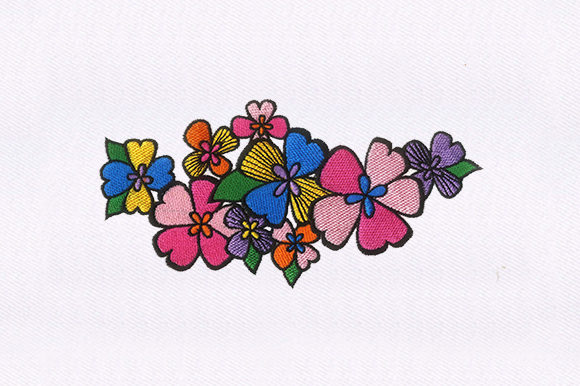
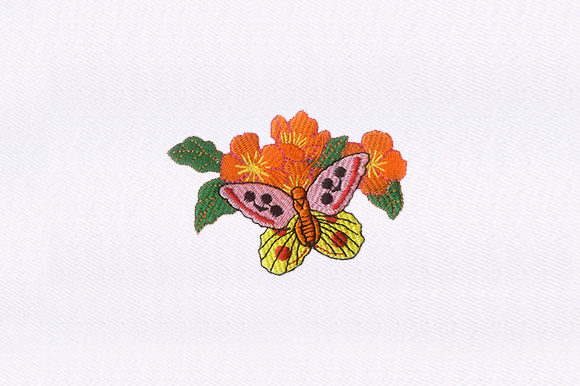
When I first loaded the Butterfly Flowers file into my software, the immediate impression was one of gentle elegance. This is not a loud or aggressive pattern. It sits comfortably in the realm of romantic and classic aesthetics, making it incredibly versatile. The interplay between the floral elements and the butterfly motif creates a sense of movement and life, which is crucial for a static medium like Embroidery.
For those of us creating handmade products, emotional connection is our biggest selling point. This design feels sweet without being childish, and detailed without being overwhelming. It evokes feelings of spring, renewal, and care. For a customer browsing an online shop, this visual cue suggests a gift that was chosen with thoughtfulness. It is the kind of imagery that appeals to buyers looking for wedding keepsakes, nursery decor, or thoughtful gestures for mothers and grandmothers.
Versatility Across Product Categories
One of the strongest assets of the Butterfly Flowers design is its adaptability. Because it falls under the Single Flowers category, it does not require massive hoop space, yet it carries enough visual weight to stand alone as a focal point. Here is how I envision it performing across different product lines:
- Baby Embroidery: This design is ideal for baby blankets and burp cloths. The organic shapes soften the look of nursery items. However, when using it for baby products, always consider the comfort of the backing. A soft, cut-away stabilizer is essential to prevent irritation against sensitive skin.
- Wedding Gifts: Imagine this embroidered on a linen handkerchief or a tote bag for bridesmaids. It adds a touch of vintage charm that pairs beautifully with rustic or garden-themed weddings. It serves as a timeless wedding gift that guests will keep long after the event.
- Kitchen and Home Decor: An embroidered towel featuring this motif elevates a simple kitchen staple into a decorative piece. It also works wonderfully on pillow covers, adding texture and interest to living room sofas or bedroom accents.
- Apparel and Accessories: For aprons or canvas tote bags, the design provides a professional finish that justifies a higher price point. It transforms a basic utility item into a custom embroidery piece that feels bespoke.
Navigating Technical Challenges and Fabric Textures
While the aesthetic appeal is high, any experienced embroiderer knows that beauty lies in the execution. There are specific scenarios where you must exercise caution when using Butterfly Flowers. The devil is in the details, particularly regarding stitch density and fabric texture.
If you are stitching on textured fabrics like waffle-weave towels or thick terry cloth, the finer details of the butterfly wings might get lost. In these cases, I recommend increasing the contrast of your thread colors. Using a slightly darker shade for the outlines can help the design pop against the busy background of the fabric. Conversely, on smooth fabrics like cotton sateen or polyester blends, the design will shine with maximum clarity.
Stretchy fabrics, such as those used for baby onesies or athletic wear, present another challenge. Without proper stabilization, the intricate curves of the flowers can pucker. Always use a high-quality stabilizer appropriate for the fabric weight. For stretchy materials, a combination of tear-away and heat-seal stabilizers can provide the necessary support during stitching while remaining comfortable for the wearer.
Additionally, be mindful of curved surfaces. If you are embroidering on a fitted cap or a rounded pillow cover, ensure your hoop size allows for proper tension without distorting the garment. Testing on scrap fabric of the exact same type is non-negotiable. Never skip this step, especially when fulfilling commercial orders.
Boosting Perceived Value and Customer Trust
For Etsy sellers and small shop owners, the choice of design directly impacts perceived value. A well-executed Butterfly Flowers embroidery signals quality. It tells the customer that the seller cares about detail. This builds trust, which is the cornerstone of repeat business in the handmade community.
From a marketing perspective, this design photographs beautifully. The natural lines and organic shapes catch light well, allowing for stunning product photography. When you create a printable mockup or take photos of the finished product, ensure you highlight the texture of the threads. Close-up shots that show the precision of the stitches can significantly increase buyer engagement and conversion rates.
Furthermore, offering this as a personalized gift option—perhaps by adding a monogram beneath the butterfly—can increase the average order value. Customers are often willing to pay more for items that feel unique to them. The Butterfly Flowers design leaves ample negative space around the central motif, making it an excellent candidate for combining with text or initials.
Practical Notes for the Embroidery Professional
Before you begin production, there are several technical checks you must perform. The product description lists a wide variety of embroidery file formats, including DST, PES, JEF, EXP, and many others. This broad compatibility is a significant advantage, ensuring that whether you use Brother, Janome, Bernina, or Husqvarna machines, you will have a compatible file. However, always verify that the file you download matches your machine’s specific requirements.
- Check Stitch Density: Review the stitch count in your software. If the density is too high for lightweight fabrics, you may need to adjust settings or choose a heavier material.
- Thread Color Contrast: Plan your color palette carefully. Soft pastels work well for baby items, while richer jewel tones might suit home decor. Ensure there is enough contrast between the flower petals and the background fabric.
- Confirm Commercial Licensing: Before selling any small shop product featuring this design, confirm the licensing terms. Most digital embroidery files come with specific rules regarding mass production versus small-scale handmade sales. Adhering to these terms protects your business integrity.
- Test Wash Durability: Wash and dry your test sample. Check for thread bleeding or fabric shrinkage. This step is vital for items like kitchen towels and baby blankets that will undergo frequent laundering.
In conclusion, Butterfly Flowers is a robust and charming addition to any designer’s library. It bridges the gap between traditional floral motifs and modern simplicity. For those creating commercial embroidery products, it offers the reliability and aesthetic appeal needed to satisfy discerning customers. By paying attention to fabric choice, stabilization, and presentation, you can turn this digital file into a cherished physical keepsake. Whether you are crafting a blanket embroidery for a newborn or a sophisticated accent for a home, this design delivers both beauty and professionalism.