Embroidery Floral Art Digital Paper Review
As an embroidery designer who has spent countless weekends standing behind a booth at local craft fairs, I have learned that the difference between a browser and a buyer often comes down to visual impact. When I first encountered Embroidery Floral Art Digital Paper, my immediate reaction was not just about the aesthetic, but about its potential as a versatile asset for a handmade business. This is not merely a static image; it is a foundational graphic resource that bridges the gap between digital illustration and tangible, stitched reality. For those of us running small shops or selling on Etsy, finding design assets that translate well from screen to fabric is half the battle.
First Impressions: Visual Appeal and Market Fit
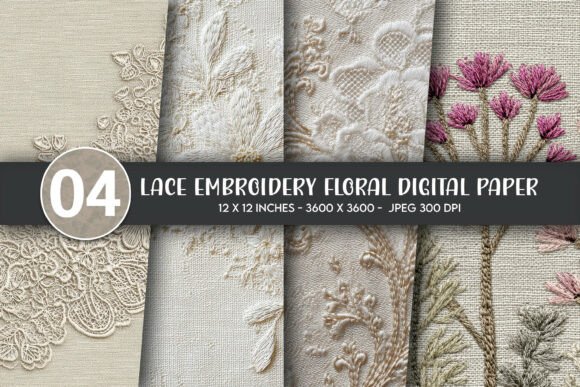
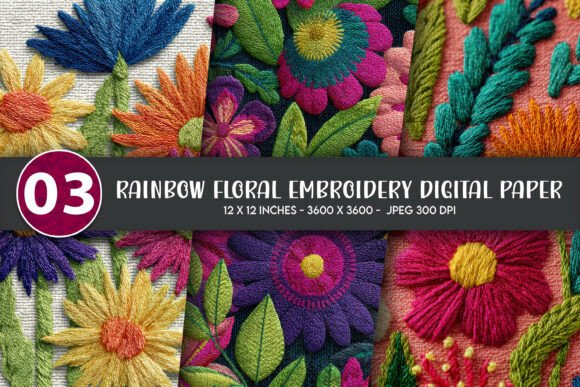
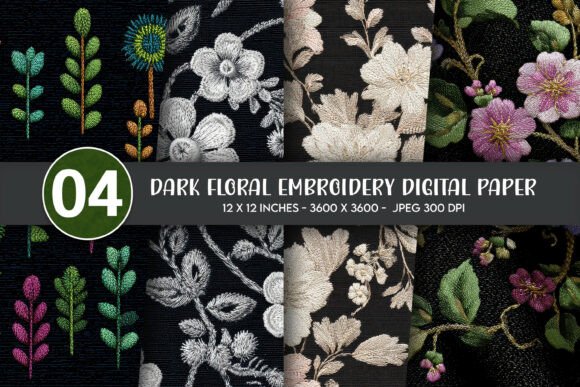
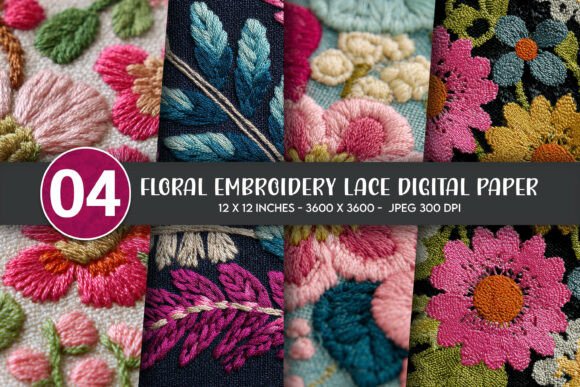
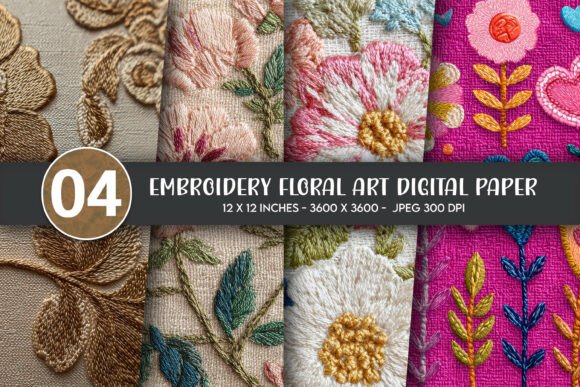
The title itself suggests a blend of traditional botanical beauty with modern digital utility. Upon reviewing the description, which highlights its suitability for wall decor, posters, and various apparel items, I categorize this as a premium, decorative Illustration. It feels elegant yet accessible, striking a balance that appeals to a wide demographic. In a crowded craft fair environment, where customers are scanning tables quickly, designs need to be instantly recognizable. This floral art possesses the boldness required to catch the eye from a distance, while retaining the delicate details that invite closer inspection.
For a craft fair seller, the mood of your products defines your brand. This design leans towards a soft, sophisticated aesthetic. It is not overly rustic or aggressively modern, which makes it a safe yet stylish choice for a variety of target audiences. Whether you are targeting bridesmaids looking for gifts, homeowners seeking kitchen decor, or parents wanting unique baby items, the universal appeal of floral motifs combined with high-resolution clarity gives this asset a strong foothold in the market.
Product Versatility: From Tote Bags to Tea Towels
The true test of any digital embroidery file or graphic asset is its adaptability. The product description explicitly mentions use cases like t-shirts, onesies, stickers, greeting cards, mugs, tote bags, and throw pillows. Let us break down how this performs in a real-world production scenario.
- Tote Bag Design: This is perhaps the strongest application. A large-scale floral print on a canvas tote creates an instant statement piece. The high-resolution nature of the file ensures that when printed or used as a reference for large hoop embroidery, the edges remain crisp. It transforms a basic utility item into a fashionable accessory.
- Apron Embroidery: For kitchen-focused booths, an apron featuring this floral art adds a touch of warmth. However, one must consider the placement. A central chest pocket area works best, allowing the design to be seen without being obstructed by the wearer’s arms.
- Tea Towel Embroidery: Linen tea towels are a staple of handmade markets. Using this graphic as a guide for machine embroidery requires careful attention to stitch density. You want the flowers to look lush, not stiff. If using the digital paper for sublimation printing on towels, the color vibrancy will shine, provided the fabric blend is suitable.
- Embroidered Patch: Creating iron-on patches is a fantastic way to offer lower-priced items. This design would work well as a circular or oval patch. However, you must simplify the tiniest details. Complex gradients in the original Graphics may need to be reduced to solid thread colors to maintain clarity at a smaller size.
Practical Production and Selling Points
When preparing for a weekend market, efficiency is key. I evaluate Embroidery Floral Art Digital Paper based on how easily it can be turned into a craft fair product. The high-resolution feature mentioned is critical. It means you can scale the image up for a large wall art poster or down for a sticker without losing quality. This scalability allows for batch production consistency. You can create a cohesive collection where the same motif appears on a pillow cover, a mug, and a greeting card, strengthening your brand identity.
Photography is another crucial element. Designs with clear contrasts and defined shapes photograph better for online listings. This floral art, with its likely distinct petals and leaves, should pop against neutral backgrounds. For an Etsy seller, having a design that looks professional in digital mockups is essential for conversion. You can use the digital paper to create realistic printable mockup images before you even stitch a single thread, saving time and resources.
Careful-Use Notes and Technical Considerations
While the artistic value is high, practical execution requires caution. As an experienced designer, I must highlight several technical hurdles when translating this digital art into physical goods.
- Dense Stitch Areas: If you are converting this illustration into a machine embroidery design, be wary of large solid areas. High stitch density can cause fabric puckering, especially on lighter materials like onesies or thin cotton t-shirts. Use appropriate stabilizers to counteract this tension.
- Tiny Details: Floral art often includes fine lines for stems or veins. On textured fabrics like terry cloth towels or coarse linen, these details may get lost. Test the design on scrap fabric first. If the details disappear, consider simplifying the digitization or increasing the size of the final product.
- Curved Surfaces: Applying this design to caps requires special attention. The curvature of a cap distorts flat images. You may need to adjust the placement or use a specialized hooping technique to ensure the floral arrangement looks balanced from the front view.
- Dark Fabric: If the original graphic relies on light colors, it will not show up on dark navy or black tote bags without modification. You may need to add a satin stitch border or change the thread colors to lighter shades to ensure visibility.
Enhancing Brand Consistency and Buyer Engagement
Using a consistent visual theme across your small shop product line builds trust. When a customer sees the same beautiful floral motif on a tote bag, a matching pillow, and a set of coasters, they perceive a higher level of professionalism. Embroidery Floral Art Digital Paper serves as the anchor for this consistency. It allows you to create a "collection" rather than just random items. This strategy increases the average order value, as customers are more likely to buy multiple coordinating items.
Furthermore, the emotional connection to floral designs cannot be understated. Flowers evoke feelings of growth, beauty, and care. In a handmade context, this aligns perfectly with the narrative of artisanal quality. By showcasing this design prominently in your booth display, perhaps on a large hanging tapestry or a sample apron, you draw customers in. It acts as a visual hook, encouraging them to stop, look, and engage with your brand story.
Final Designer Recommendations
Before you commit to full production, take these steps to ensure success with this asset:
- Test on Scrap Fabric: Always run a test stitch-out. Check for thread breaks, nesting, and overall appearance.
- Check Thread Contrast: Ensure your chosen thread colors stand out against the fabric. Sometimes, swapping one shade can make the design pop significantly more.
- Confirm Hoop Size: Verify that the design fits within your machine’s maximum hoop size. If it is larger, you may need to split the design or use a larger industrial machine.
- Review Licensing: Although this is a digital paper/graphic, if you are using it to create templates for embroidery, ensure you understand the commercial rights. Since specific license terms are not detailed in the brief description, always check the seller’s policy regarding commercial embroidery usage.
- Create Real Mockups: Do not rely solely on digital previews. Photograph the actual finished product on a human model or in a home setting to give buyers a realistic sense of scale and texture.
In conclusion, Embroidery Floral Art Digital Paper is a robust tool for the modern craft entrepreneur. It offers the flexibility needed for diverse product lines while maintaining the aesthetic quality required for premium handmade goods. By respecting the technical limitations of embroidery and leveraging the visual strengths of the design, you can create standout products that resonate with customers and drive sales at your next craft fair.