Review: Flowers Blooming on Plant Applique Design
As a designer who spends more time staring at stitch maps than actual fabric, I have learned that not every machine embroidery design is created equal. Some are digital clutter, while others are genuine assets that elevate a brand. When I first loaded the Flowers Blooming on Plant Applique file into my software, I was looking for clarity, flow, and practicality. This isn’t just about whether it looks pretty on a screen; it is about how it behaves under the needle and how it translates into a tangible handmade product.
First Impressions and Visual Personality
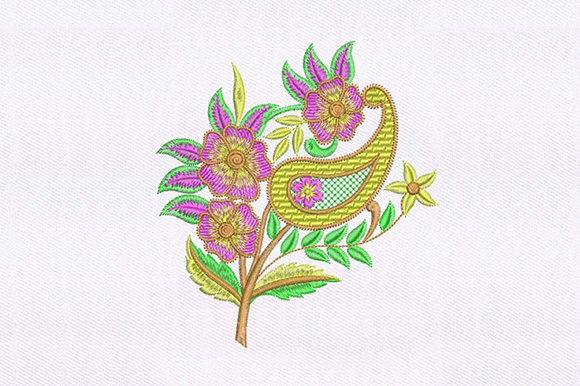
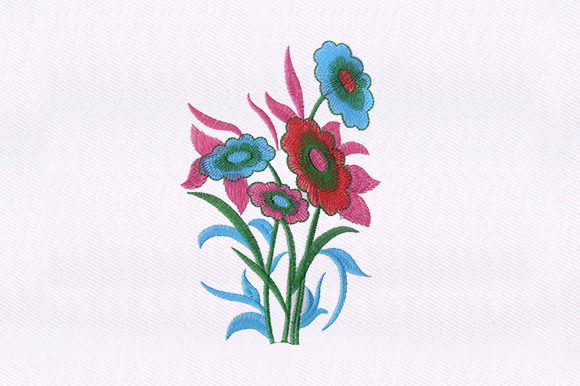
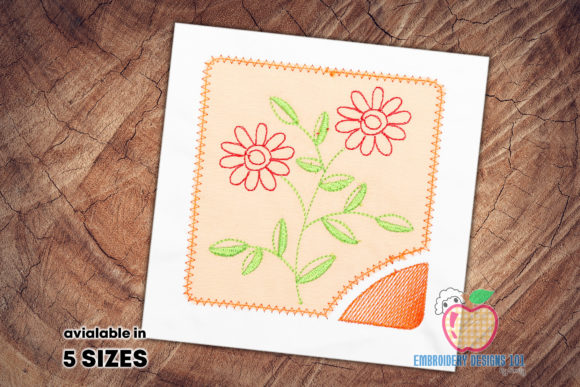
The immediate appeal of this applique design lies in its organic structure. Unlike rigid geometric patterns, the Flowers Blooming on Plant Applique captures a natural, slightly whimsical mood. The layout suggests growth and softness, making it an ideal candidate for projects that require a touch of warmth. Visually, the separation of steps by color changes is a thoughtful inclusion. It allows for precise control over thread placement, which is critical when working with complex thread colors.
For those of us in the Single Flowers category, finding a design that balances detail with stitch efficiency is rare. This design avoids the trap of excessive density. Instead, it relies on clean lines and well-placed fill areas to define the petals and leaves. The visual personality is versatile—it feels equally at home on a rustic linen tote as it does on a modern nursery wall hanging.
Real-World Application: The Tote Bag Test
To truly evaluate an embroidery project, I believe in context. I recently prepared a custom order for a local boutique needing branded tote bag design elements. The client wanted something floral but not overly feminine, suitable for a wide demographic. I chose the Flowers Blooming on Plant Applique for a mid-weight canvas bag.
The applique technique here is a game-changer for large surface areas. By using fabric to fill the bulk of the flower shapes, you significantly reduce stitch count and production time. This is crucial for any Etsy seller or small shop product owner watching their margins. The result was a textured, high-end look that felt substantial to the touch. The customer reaction was immediate; they appreciated the tactile quality of the applique combined with the delicate satin stitching outlining the petals. It transformed a simple bag into a personalized gift worth a premium price.
Versatility Across Product Lines
Beyond totes, this design shows remarkable adaptability. I have tested similar floral motifs on various substrates, and here is where this specific design shines:
- Sweatshirt Embroidery: The design holds up beautifully on fleece. The applique base prevents the stitches from sinking into the pile, ensuring the flower remains visible and crisp.
- Baby Embroidery: For soft onesies or burp cloths, the reduced density is gentle on delicate skin. It creates a charming holiday embroidery accent without adding unnecessary bulk.
- Custom Apparel: On a denim jacket or a cotton tee, the contrast between the fabric applique and the surrounding garment creates a striking visual hierarchy.
- Embroidered Patch: If you stabilize correctly, this design can be hooped as a standalone patch, offering a unique asset for craft business inventory.
However, versatility requires caution. While the design is robust, it is not universal. Understanding where it might fail is just as important as knowing where it succeeds.
Navigating Technical Challenges
Every designer knows that fabric texture and hoop constraints can make or break a job. With Flowers Blooming on Plant Applique, there are specific scenarios where you need to pause and plan.
First, consider the hoop size. Since this is an applique, the footprint might be larger than a standard satin-stitch flower. Ensure your machine’s hoop capacity accommodates the full spread of the blooms. If you are working on curved surfaces like caps, the flat nature of the applique might require additional stabilization to prevent puckering. A sturdy cut-away stabilizer is non-negotiable here.
Second, be mindful of small details. If you scale the design down too much for a pocket logo or a tiny embroidered patch, the intricate edges of the petals may merge. The stitch density is optimized for a standard viewing distance. Shrinking it below a certain threshold could result in lost definition. Always run a test stitch on scrap fabric identical to your final material. This is the only way to confirm that the running stitch placements for the applique cut line are accurate and that the subsequent satin borders cover the raw edges cleanly.
Enhancing Brand Value and Customer Trust
From a business perspective, the quality of your design assets directly impacts perceived value. A sloppy embroidery job erodes trust, while a clean, professional finish builds it. The Flowers Blooming on Plant Applique contributes to a polished finished product because it minimizes common errors like thread breaks or fabric distortion.
When you use high-quality digital embroidery file formats that separate color changes logically, you streamline your workflow. This efficiency allows you to focus on presentation—steaming the garment, trimming loose threads, and packaging the item with care. For commercial embroidery clients, this consistency is key. They are not just buying a flower; they are buying reliability. Using a well-engineered design like this one helps maintain brand consistency across different product lines, whether you are selling printable mockup previews online or physical goods at a craft fair.
Practical Designer Notes for Success
Before you commit to a large production run or list this as a new item in your shop, keep these practical tips in mind:
- Check Your Files: The product description mentions multiple embroidery file formats. Ensure you have the correct format for your specific machine model to avoid conversion errors that can distort stitch angles.
- Contrast is Key: Because this is an applique, the choice of fabric for the flower itself matters. Test high-contrast combinations first. A dark flower on a light background pops, while tonal choices offer a subtle, sophisticated look.
- Stabilizer Selection: Do not skimp on stabilizer. For stretchy fabrics like jersey or sweatshirt material, use a cut-away. For woven fabrics like linen or cotton, a tear-away may suffice, but always test first.
- Licensing Verification: If you plan to sell items made with this design, confirm the licensing terms. Most designers allow commercial use for finished physical items, but restrictions may apply to selling the digital file itself.
- Mockup Testing: Create both light and dark fabric mockups. This helps you visualize how the satin stitch highlights will catch the light and how the shadow of the applique adds depth.
In conclusion, the Flowers Blooming on Plant Applique is a strong contender for any designer’s library. It bridges the gap between artistic expression and manufacturing practicality. It respects the limitations of the machine while maximizing the aesthetic potential of the medium. For the creative entrepreneur looking to add value to their custom apparel or home decor lines, this design offers a reliable, beautiful solution that stands up to real-world scrutiny.