Review: RTO Tenderness Cross Stitch Pattern PDF
As a designer who has spent years evaluating Cross Stitch Patterns for both personal joy and commercial viability, I approach every new file with a critical eye. It is not enough for a design to be cute; it must be functional, clear, and adaptable. The Cross Stitch Pattern PDF, RTO Tenderness recently crossed my desk, and I took the time to assess its potential for real-world application. This is not just a review of aesthetics, but a practical breakdown of how this Graphics asset performs when moved from a digital screen to actual fabric.
First Impressions: Whimsy Meets Structure
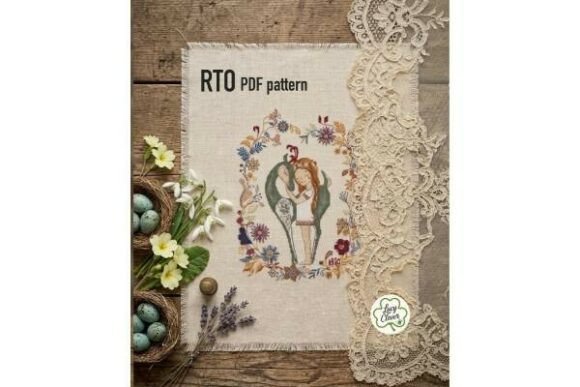
The first thing that strikes you about the RTO Tenderness design is its mood. It successfully captures a sense of whimsical folklore blended with timeless elegance. The central figure, described as a gentle, red-haired character, carries a visual weight that is soft yet distinct. For an embroidery designer, this balance is crucial. Designs that are too delicate often get lost in the texture of the fabric, while those that are too bold can feel aggressive on items meant to convey comfort.
The layout suggests a thoughtful composition. The use of space around the central motif allows the design to breathe, which is essential when working with cross stitch, where density can quickly become an issue. The visual personality here is inviting, making it an ideal candidate for projects that require an emotional connection, such as personalized gifts or nursery decor. However, the true test lies in how these artistic choices translate into stitch execution.
Real-World Application: From Digital File to Finished Product
To truly evaluate the Cross Stitch Pattern PDF, RTO Tenderness, I imagined integrating it into several common product lines for a small craft business. The versatility of this design makes it suitable for a variety of mediums, though each requires specific considerations.
- Custom Apparel: Imagine this design centered on the chest of a high-quality cotton sweatshirt. The red hair tones would pop against neutral fabrics like oatmeal, charcoal, or navy. Because cross stitch has a distinct pixelated texture, it pairs beautifully with the casual, cozy vibe of sweatshirt embroidery. It feels intentional and handmade, adding significant perceived value to the garment.
- Tote Bag Design: For a canvas tote, the durability of the stitch pattern is key. The RTO Tenderness chart appears robust enough to withstand the tension of heavy canvas without distorting. It would serve as a charming focal point for a boutique brand selling literary or folklore-inspired accessories.
- Baby Embroidery: The gentle nature of the theme makes it a strong contender for baby items. However, when considering baby clothes, one must be mindful of the back of the stitching. Softness against sensitive skin is paramount, so this design would work best on a bib or a blanket border rather than directly against the skin of a onesie.
For an Etsy seller or small shop product creator, this type of design asset is invaluable. It allows for the creation of a cohesive collection. You could offer the finished stitched item, or even use the printable mockup capabilities of the PDF to show customers what the final finished product could look like in different colorways.
Navigating Technical Constraints and Fabric Choices
While the aesthetic appeal is high, practical execution requires attention to detail. Not every fabric or hoop size will do justice to the Cross Stitch Pattern PDF, RTO Tenderness. Here is where experience matters.
Fabric Texture and Count: Cross stitch relies on the grid of the fabric. If you are using a loosely woven linen, the details of the character’s face or hair might blur if the fabric count is too low. Conversely, on high-count Aida cloth, the design will appear smaller and more refined. I recommend testing the design on scrap fabric first to gauge the final size and clarity. The thread colors chosen will interact with the fabric texture, so a smooth cotton will yield a different result than a rustic linen.
Hoop Size and Placement: Before starting, confirm the hoop size required by the pattern. If the design is large, it may not fit on standard decorative hoops used for wall art. For apparel, ensure the design fits within the curved surface area if you are attempting to stitch on a cap or a pocket. Curved surfaces can distort the geometry of cross stitch, so flat items like pillow covers, tea towels, or aprons are safer bets for beginners.
Stitch Density and Stability: Although cross stitch is generally less dense than machine satin stitch or fill stitch applications, large areas of solid color can still pull on lightweight fabrics. If you are stitching on a thin kitchen towel or a lightweight t-shirt, using a proper stabilizer is non-negotiable. This prevents the fabric from puckering and ensures the embroidery project remains flat and professional.
Commercial Viability and Brand Consistency
For those running a craft business, the choice of design assets directly impacts brand consistency. The RTO Tenderness design exudes a specific charm that aligns well with brands focused on storytelling, nostalgia, or gentle living. Using this design in your commercial embroidery lineup can help strengthen that brand identity.
However, licensing is a critical factor. As a digital embroidery file or pattern PDF, the terms of use can vary. Some designers allow unlimited sales of finished physical items, while others restrict commercial use entirely. Before listing any personalized gift or custom apparel featuring this design on your online store, you must check the license included with the PDF. Ignoring this step can lead to serious legal issues for your small business.
Furthermore, consider the customer trust aspect. A clean, well-charted pattern results in a cleaner finished product. If the instructions are ambiguous, the final item may look amateurish. High-quality design assets like this one typically come with clear symbols and color keys, which reduces error rates and increases the professionalism of your output.
Practical Designer Notes for Best Results
To get the most out of the Cross Stitch Pattern PDF, RTO Tenderness, follow these practical steps:
- Test Thread Contrast: The red hair is a focal point. Ensure your chosen thread shades have enough contrast against the background fabric. Test it in black and white mockups if possible to check value contrast.
- Inspect Small Details: Zoom in on the PDF before printing or loading it onto your device. Check for any tiny isolated stitches that might be difficult to execute. These can often be simplified without losing the design's integrity.
- Consider Lighting: When photographing your handmade product for social media or your shop, natural light will best capture the texture of the cross stitches. Avoid harsh flashes that flatten the dimensionality of the work.
- Wash Testing: If the item is intended for frequent washing, such as a kitchen towel or baby item, ensure you use colorfast threads. Cross stitch can bleed if low-quality threads are used, ruining the embroidered patch of color.
In conclusion, the Cross Stitch Pattern PDF, RTO Tenderness is a compelling addition to any designer’s library. It offers a blend of charm and technical feasibility that, when handled with care, can elevate a simple piece of fabric into a cherished keepsake. Whether you are an experienced embroidery designer looking for your next signature piece or a hobbyist eager to try a new challenge, this design rewards patience and precision. By respecting the material constraints and understanding the commercial context, you can transform this digital graphic into a tangible success.