Daisy Flowers: A Designer’s Review for Real Projects
As an embroidery designer who spends countless hours digitizing and stitching, I approach every new machine embroidery design with a critical eye. It is not just about whether a pattern looks pretty on a screen; it is about how it performs under the needle, how it wears after washing, and whether it adds genuine value to a handmade product. Recently, I evaluated Daisy Flowers, a listing within the Bouquets category on Creative Fabrica, to determine if it meets the rigorous standards required for commercial embroidery and serious crafters.
First Impressions and Visual Appeal
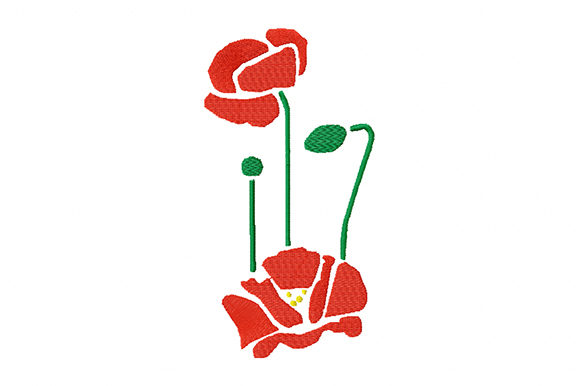
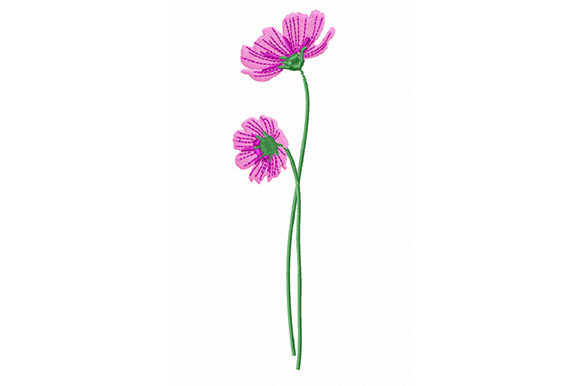
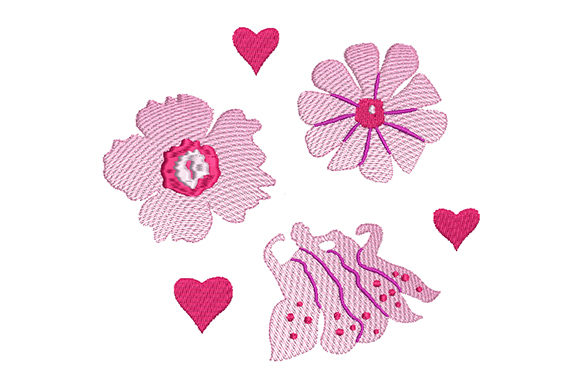
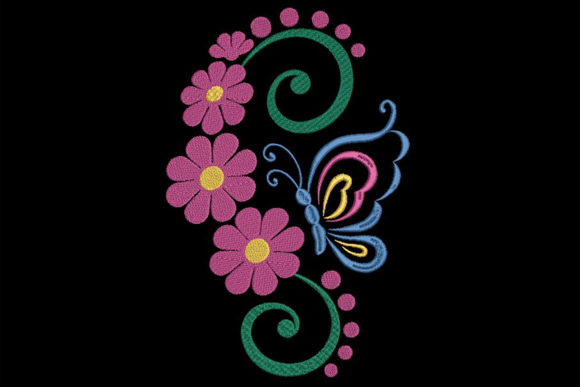
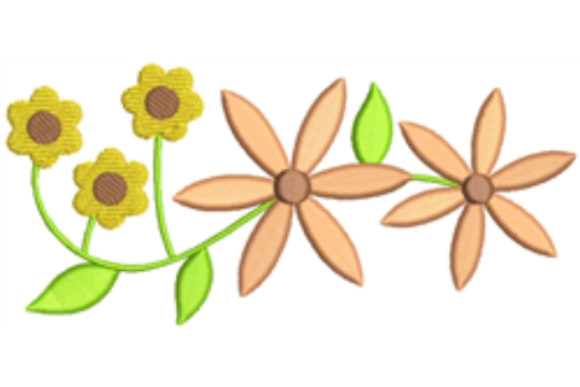
The first thing that strikes you about Daisy Flowers is its cheerful, timeless aesthetic. Daisies are a staple in the world of Embroidery because they evoke feelings of nostalgia, spring, and simplicity. This particular design captures that mood effectively. The visual balance between the petals and the center suggests a thoughtful approach to stitch placement. For designers looking to refresh their catalog with seasonal or everyday items, this motif offers a versatile decorative appeal that does not feel overly trendy or dated.
The detail level appears sufficient to create texture without becoming unmanageable. In my experience, designs that are too simple can look flat on fabric, while those that are overly complex can cause thread breaks or puckering. Daisy Flowers seems to strike a middle ground, offering enough intricacy to catch the eye while maintaining the clean lines necessary for professional presentation.
Performance in Real-World Applications
When considering a new embroidery file, I always ask myself: where will this actually be used? Daisy Flowers is remarkably adaptable. I envision this design performing exceptionally well on a variety of substrates. For small business owners and Etsy sellers, versatility is key to maximizing return on investment.
- Custom Apparel: The design would look charming on the chest pocket of a denim jacket or as a cluster on the sleeve of a sweatshirt. Sweatshirt embroidery requires designs that can handle the texture of fleece or cotton blends, and the bold shapes here suggest good coverage.
- Tote Bags and Aprons: Canvas and heavy cotton are ideal for this type of floral motif. A tote bag design featuring these daisies could easily become a bestseller for spring markets or boutique merchandise.
- Home Decor: Imagine this stitched onto linen pillow covers or kitchen towels. The natural theme fits perfectly with modern farmhouse or cottagecore aesthetics, which remain popular in home goods.
- Accessories: For those making embroidered patches or caps, the compact nature of flower bouquets often works well. However, curved surfaces like caps require careful attention to pull compensation, which we will discuss later.
Technical Considerations for Stitching
While the visual preview is promising, the technical execution is where many designs fail. As a professional, I advise checking several practical factors before committing to a large production run of finished products.
Fabric and Stabilizer Selection
The product description notes that this lovely embroidery will look great on any fabric or clothe. While this is encouraging, experienced stitchers know that "any fabric" requires different preparations. For stretchy fabrics like jersey knits used in baby items or t-shirts, a cut-away stabilizer is non-negotiable to prevent distortion. For woven fabrics like aprons or tote bags, a tear-away may suffice, but testing is crucial.
If you are working with dark fabric, you must consider thread color contrast. A white daisy on black cotton requires high-quality rayon or polyester thread to ensure the brightness pops. Conversely, pastel threads on light fabrics may get lost if the stitch density is too low. Always review the recommended thread colors provided in the digital package, but do not hesitate to customize them to match your brand palette.
Hoop Size and Detail Integrity
One common issue with floral designs is the loss of detail in smaller hoop sizes. If Daisy Flowers includes tiny elements or fine lettering, these may merge or break when scaled down. Before selling personalized gifts or small items like baby bibs, stitch out a test sample on scrap fabric identical to your final material. Inspect the small details after stitching. Are the satin stitches smooth? Is there any bird nesting in the fill areas?
For curved surfaces like caps, ensure the design fits within the usable area of your cap frame. Layered details can sometimes cause thickness issues, leading to needle deflection. If the design uses a combination of satin stitch for outlines and fill stitch for petals, verify that the transition points are clean.
Enhancing Product Value and Brand Consistency
Beyond the technical aspects, incorporating high-quality assets like Daisy Flowers can significantly impact your business metrics. A well-executed embroidery design enhances buyer trust. Customers associate clean, professional stitching with higher quality goods. When you use reliable Creative Fabrica embroidery files, you reduce the risk of production errors, which protects your reputation.
Furthermore, consistent use of thematic elements helps build brand identity. If your shop specializes in nature-inspired handmade products, adding this bouquet design to your lineup reinforces that narrative. It also improves product photography; textured embroidery catches light beautifully, creating depth in images that flat prints cannot achieve. This visual appeal drives customer engagement on social media and marketplaces.
Final Verdict and Best Practices
Is Daisy Flowers worth downloading? For designers seeking a reliable, aesthetically pleasing floral motif for commercial use, it shows strong potential. However, success depends on proper preparation. Do not skip the step of creating a printable mockup to visualize placement before stitching. Use these design assets to plan your inventory efficiently.
Before launching any commercial embroidery project, always confirm file details and licensing terms on the Creative Fabrica product page. Ensure the formats provided match your machine’s requirements. Check if the license allows for unlimited physical sales, which is vital for scaling your business.
- Download the file and inspect the digitizing in your software.
- Stitch a test sample on your intended fabric with the correct stabilizer.
- Wash and dry the test piece to check for durability and shrinkage.
- Adjust tension or density settings if necessary based on the test results.
- Proceed with production only after confirming quality standards are met.
In conclusion, Daisy Flowers offers a charming addition to any designer’s library. With careful attention to thread colors, stabilizer choice, and fabric compatibility, it can elevate everything from a simple kitchen towel to a high-end custom apparel piece. Happy stitching!