Poppy Flowers Flowers: A Designer’s Review for Real Projects
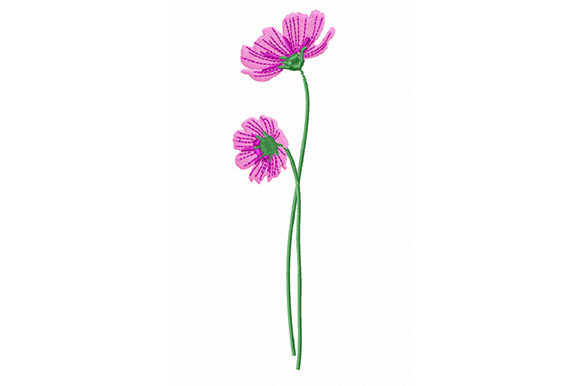
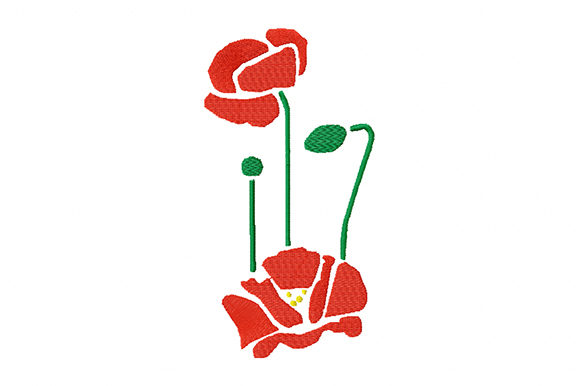
When I first loaded the Poppy Flowers Flowers design into my digitizing software, I wasn’t just looking at pixels; I was visualizing the final texture on fabric. As an experienced embroidery designer and reviewer, I approach every new machine embroidery design with a critical eye for practicality. Will it pull? Is the density manageable? Does it tell a story? This particular design, categorized under Bouquets, immediately struck me with its vibrant energy. Red poppies are often called the flowers of angels in Provence, and that romantic, airy sentiment needs to translate perfectly into thread.
First Impressions: Mood and Visual Personality
The immediate mood of this design is bright and uplifting. The layout suggests a natural, organic flow rather than a rigid geometric pattern. For those of us who create handmade products, the visual personality of a design dictates where it belongs. This isn’t a stiff, corporate logo; it’s a piece of art meant for living spaces and personal wear. The detail level appears balanced, offering enough intricacy to look professional without becoming a nightmare of thread breaks on slower machines.
I appreciate that the design leans into the natural beauty of the poppy. In Embroidery, capturing the delicate nature of flower petals requires careful attention to stitch direction. If the digitizer has done their job right, the satin stitch work on the petals should have a smooth, lustrous finish that catches the light, while the leaves might utilize a fill stitch to provide body and contrast.
Real-World Application: From Tote Bags to Sweatshirts
To truly evaluate Poppy Flowers Flowers, I imagined a specific client project. Let’s say a local boutique owner wants a line of canvas tote bags for spring. This design is ideal for a tote bag design because the bold red color pops against natural beige or white cotton. The size seems substantial enough to be a focal point but not so large that it distorts the fabric.
Beyond bags, consider sweatshirt embroidery. A crewneck sweatshirt in heather grey or deep navy would provide a stunning backdrop for these red blooms. The texture of the fleece adds depth, making the embroidered flowers appear as if they are resting on the fabric rather than just sitting on top. For custom apparel, placing this design on the left chest or as a larger back piece can elevate a basic garment into a high-value item.
I also see potential in home decor. Imagine this stitched onto a linen pillow cover or a kitchen towel. The "flowers of angels" theme fits perfectly with rustic or farmhouse interior styles. It transforms a simple textile into a personalized gift that feels thoughtful and curated. For Etsy sellers and small shop product creators, this versatility is key. You aren’t limited to one niche; you can market this as part of a spring collection, a wedding gift line, or even holiday decor if paired with appropriate colors.
Technical Considerations and Stitching Clarity
While the aesthetic is strong, we must discuss the technical execution. When working with any floral embroidery file, stitch density is paramount. If the density is too high, the fabric will pucker, especially on lighter materials. If it’s too low, the backing will show through, ruining the professional look. I recommend checking the stitch count and density settings in your software before hitting start.
Thread color choice is another critical factor. The description mentions "red poppies," but red varies wildly. A bright cherry red reads differently than a deep burgundy. For the best finished product, test different thread brands. Some threads have more sheen, which enhances the satin stitch effect, while matte threads might look more vintage and subdued. Always run a test on scrap fabric that matches your final project material. This helps you identify any potential issues with thread breaks or nesting.
For those considering this as an applique design, check if the file includes placement stitches. Applique can reduce bulk and add texture, which might be beneficial for heavier fabrics like denim or canvas. However, if it is a standard fill design, ensure your stabilizer choice is robust. A cut-away stabilizer is often safer for garments that will be washed frequently, while tear-away might suffice for decorative items like wall hangings.
Where to Use Caution
Not every project is a good fit. I would hesitate to use this design on very thin, stretchy fabrics like jersey knits without significant stabilization and possibly a topping. The weight of the stitches could cause the fabric to warp. Similarly, be cautious with curved surfaces like caps. If the design is wide, it might not conform well to the front panel of a baseball cap, leading to distortion.
Also, consider the washing instructions. If you are creating baby embroidery items, ensure the threads used are colorfast and the stitching is secure. Dense areas can sometimes trap moisture or lint, so keep the design clean and accessible for care. For commercial embroidery projects where durability is key, avoid placing the design in high-friction areas, such as the underarm of a shirt or the seat of pants.
Enhancing Brand Value and Customer Trust
Using high-quality designs like Poppy Flowers Flowers directly impacts your brand perception. Customers can spot cheap, poorly digitized embroidery from a mile away. Clean lines, proper coverage, and thoughtful color choices signal professionalism. When you sell a handmade product featuring this design, you are selling confidence. Buyers engage more with products that look polished and intentional.
For digital product sellers, creating accurate printable mockup images is essential. Show the design on various backgrounds to help customers visualize it. Compare how it looks on light versus dark fabrics in your marketing materials. This transparency builds trust and reduces returns or dissatisfaction. Whether you are selling the digital embroidery file itself or the finished item, presenting the design in its best light is crucial for conversion.
Final Designer Notes
Before committing to a large batch of production, take these steps:
- Test on Scrap Fabric: Always stitch out a sample on the exact material you plan to use.
- Check Thread Contrast: Ensure the red stands out against your chosen background color.
- Review Stitch Density: Adjust if necessary to prevent puckering or showing backing.
- Confirm Hoop Size: Make sure the design fits comfortably within your machine’s hoop without hitting the edges.
- Inspect Small Details: Zoom in on the digital file to check for stray stitches or overlapping paths.
- Verify Licensing: If you plan to sell finished items, confirm the license terms of the design assets. Some creators allow commercial use of finished goods but prohibit reselling the digital file.
In conclusion, Poppy Flowers Flowers offers a blend of beauty and practicality that suits a wide range of embroidery projects. From holiday embroidery gifts to everyday custom apparel, it brings a touch of Provence to modern crafting. By paying attention to technical details and understanding your fabric choices, you can leverage this design to create stunning, high-value products that resonate with customers. Happy stitching!