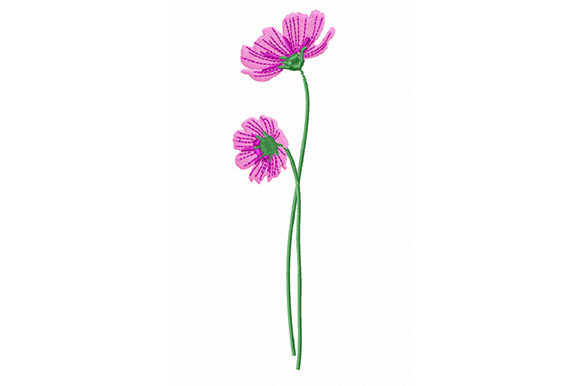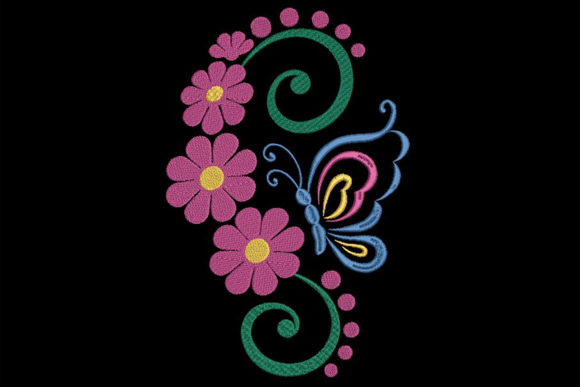
Pink Flowers with Hearts: A Designer’s Review
As an embroidery designer who spends countless hours digitizing and testing patterns, I approach every new machine embroidery design with a critical eye. It is not just about how it looks on the screen; it is about how it performs in the real world. When I first loaded Pink Flowers with Hearts into my software, my immediate impression was one of soft, romantic charm. This is not a bold, aggressive statement piece, nor is it strictly rustic farmhouse. Instead, it sits comfortably in a space that feels feminine, tender, and deeply decorative. For those of us running small shops or preparing for weekend markets, understanding this mood is the first step to selling successfully.
First Impressions and Visual Appeal
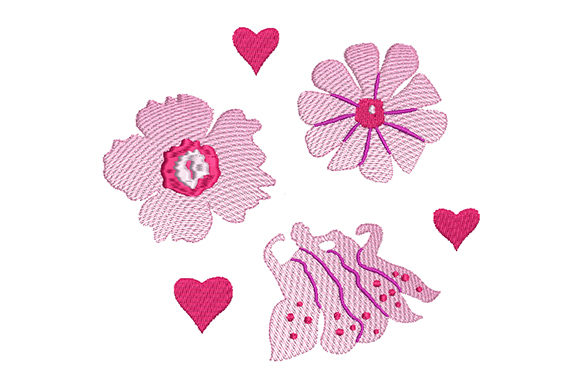
The combination of pink flowers and heart motifs creates an instant emotional connection. Pink, as a color psychology staple, signals care, love, and femininity. When paired with hearts, the design becomes a universal symbol of affection. In a crowded craft fair booth, this visual language is powerful. It stops browsers who are looking for gifts for mothers, daughters, partners, or friends. The stylized nature of the flowers suggests a modern touch, avoiding the overly traditional look that can sometimes date embroidered items. It feels fresh, making it an excellent candidate for contemporary handmade products.
When evaluating Pink Flowers with Hearts, I look at the balance between the floral elements and the hearts. Are they intertwined? Is the composition balanced? From a distance, this design needs to read clearly. If the details are too fine, they get lost. If they are too blocky, they lose their elegance. This particular motif seems designed to offer a sweet spot—recognizable shapes that hold up well even when viewed from a few feet away, which is crucial for booth displays.
Product Applications for Craft Fairs
Choosing the right substrate is half the battle in embroidery sales. I imagine setting up my table with a variety of items to see where this design shines brightest. Here is how I evaluate its potential across different categories:
- Tote Bags: A canvas tote with Pink Flowers with Hearts centered on the front is a classic seller. The neutral background of natural canvas allows the pink thread colors to pop. It transforms a simple bag into a charming tote bag design that appeals to students, teachers, and shoppers alike.
- Aprons: Kitchenware is a huge category for handmade goods. An apron embroidery featuring this motif on the bib or the lower pocket adds a personal touch. It suggests warmth and home cooking, aligning perfectly with the tenderness of the design.
- Tea Towels: For tea towel embroidery, placement is key. A corner placement or a centered band works well. However, one must be cautious with textured towels. If the fabric loop is too high, the stitches may sink in. Testing on a smooth waffle weave or flat cotton is essential to ensure the design remains crisp.
- Embroidered Patches: Creating an embroidered patch allows customers to buy the design without committing to a large item. These can be ironed onto jackets, jeans, or backpacks. Patches are excellent impulse buys at craft fairs because they are low-cost and highly versatile.
- Caps and Hats: Embroidering on curved surfaces is tricky. If the design is too wide, it will distort on the front panel of a cap. I would recommend checking the width against standard cap hoops. If it fits, it makes for a cute, subtle accessory.
Production Practicality and Batch Selling
For an Etsy seller or craft fair vendor, time is money. A design that takes three hours to stitch is not practical for a $20 item. I assess Pink Flowers with Hearts based on its efficiency. Does it have excessive jump stitches? Is the stitch density manageable? High density can cause puckering, especially on lighter fabrics like t-shirts or pillowcases. Ideally, this design should have a balanced density that provides coverage without weighing down the fabric.
Batch production is another consideration. Can I hoop five tote bags at once using a multi-position frame? If the design is compact enough to fit in a standard 5x7 or 4x4 hoop, it becomes much more versatile. Larger designs require larger hoops and more stabilizer, increasing material costs. For a small shop product, keeping hoop size requirements minimal helps maintain healthy profit margins.
Photography and Online Listings
In the digital realm, presentation is everything. This design photographs beautifully because of its inherent contrast. Pink against white, cream, or light gray creates a soft, airy aesthetic that performs well on social media. When creating a printable mockup or taking photos for your online store, ensure the lighting highlights the texture of the threads. Shadows can define the stitch work, giving the finished product a premium, tactile feel that flat prints cannot match.
Using high-quality design assets in your listings, such as close-ups of the stitch quality, builds trust. Buyers want to see that the hearts are symmetrical and the flower petals are smooth. A clear, well-lit image of the embroidery on a actual product converts better than a digital render alone.
Careful-Use Notes and Technical Considerations
While Pink Flowers with Hearts is versatile, there are pitfalls to avoid. As a designer, I always advise testing on scrap fabric before committing to final inventory. Here are specific technical points to consider:
- Fabric Texture: Avoid using this design on highly textured fabrics like thick terry cloth unless you use a topping stabilizer. The tiny details of the hearts may get lost in the loops of the towel.
- Dark Fabrics: Pink thread on dark navy or black fabric can look dull. If you must use dark backgrounds, consider adding a white underlay or choosing a brighter, neon-infused pink thread to maintain visibility.
- Stabilizer Choice: The right stabilizer is non-negotiable. For stretchy knits, use a cut-away stabilizer to prevent distortion. For woven cottons, a tear-away may suffice, but a mesh cut-away often provides a cleaner finish for detailed floral work.
- Thread Contrast: Ensure your pink thread contrasts sufficiently with the fabric. If the tones are too similar, the design will vanish from a distance. Test different shades of pink to find the one that offers the best readability.
Maximizing Value and Brand Consistency
Incorporating Pink Flowers with Hearts into your product line can strengthen your brand if you specialize in romantic, feminine, or gift-oriented items. It adds consistency to your booth display, creating a cohesive look that customers recognize. When buyers see multiple items featuring the same high-quality motif, it reinforces the perception of professionalism and attention to detail.
Furthermore, this design enhances buyer engagement. People love to touch embroidery. The raised texture of the stitches invites interaction. When a customer picks up a pillow cover or a pouch and feels the quality of the stitching, the perceived value of the item increases. It transitions from a simple commodity to a cherished handmade product.
Final Designer Recommendations
Before you launch this design into your commercial embroidery lineup, take these final steps. First, verify the license terms of your digital embroidery file. Ensure you have the rights to sell finished physical products. Second, check the recommended hoop size and stitch count provided by the digitizer. If these details are not included in the description, reach out to the creator. Knowing the exact parameters prevents wasted materials and frustrated customers.
Finally, create at least one real-world mockup. Stitch it out on the exact fabric you plan to sell. Wash it, dry it, and inspect it. Does it hold up? Do the colors bleed? This due diligence ensures that every item bearing Pink Flowers with Hearts meets the high standards your customers expect. By treating this design with professional care, you turn a simple pattern into a profitable, beloved staple of your craft fair inventory.