Review: Beautiful Roses with Leaves Redwork
As an embroidery designer who has spent countless hours hooping fabrics and testing digital files, I know that the right design can make or break a handmade product. When I first opened Beautiful Roses with Leaves Redwork on Creative Fabrica, I was immediately drawn to its timeless elegance. There is something profoundly comforting about redwork embroidery; it harkens back to a era of slow stitching and heartfelt gifts. This specific design, categorized under Single Flowers, offers a classic aesthetic that feels both vintage and refreshingly modern.
In this review, I want to share my professional perspective on how this machine embroidery design performs in real-world scenarios. Whether you are an Etsy seller looking for your next best-seller or a hobbyist creating a cherished wedding gift, understanding the nuances of this file is key to producing a high-quality finished product.
The Visual Appeal and Emotional Connection
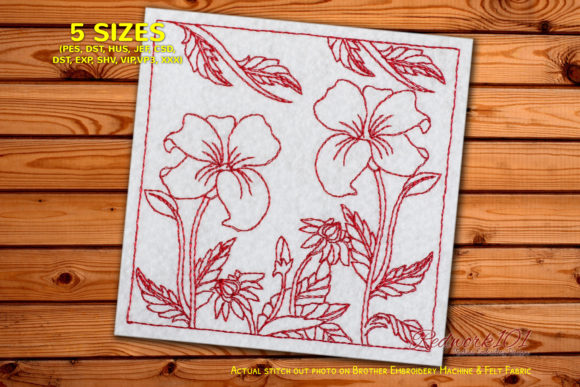
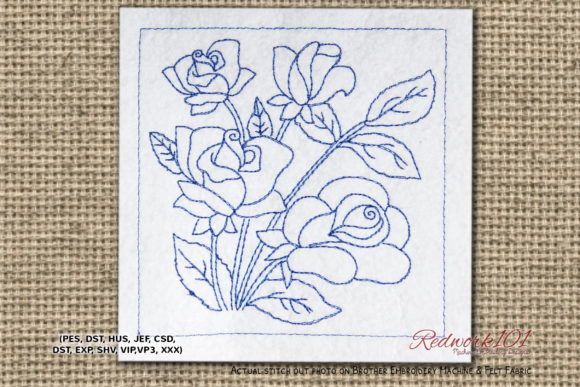
The first thing that strikes you about Beautiful Roses with Leaves Redwork is its simplicity. In a market saturated with overly complex, multi-colored designs, this piece stands out for its clean lines and romantic charm. The redwork style, traditionally stitched in a single color against a neutral background, creates a striking contrast that highlights the delicate curves of the rose petals and the organic flow of the leaves.
For customers, this visual softness translates into emotional value. A personalized gift featuring this design does not just look nice; it feels intimate. It suggests care, tradition, and warmth. For baby embroidery projects, the gentle nature of the rose avoids being too gender-specific while still offering a sweet, nursery-ready aesthetic. For wedding gifts, it exudes a classic romance that pairs beautifully with linen napkins or heirloom-quality pillow covers.
Versatility Across Handmade Products
One of the strongest assets of this embroidery file is its versatility. Because it is a Single Flowers design, it is compact enough to fit on smaller items without overwhelming the fabric. Here is how I envision this design working across various handmade products:
- Embroidered Towels: This is perhaps the most natural fit. The open stitch structure of redwork allows the texture of the towel to show through, preventing the design from feeling stiff or plastic-like. It works beautifully on flour sack towels for kitchen decor or hand towels for guest bathrooms.
- Nursery Decor and Baby Items: Imagine this rose stitched onto a muslin swaddle blanket or a cotton onesie. The simplicity ensures it remains legible and charming even at smaller sizes. It is perfect for baby showers where parents appreciate subtle, classic designs over loud, cartoonish graphics.
- Wedding and Anniversary Gifts: Use this design on tote bags for bridesmaids, aprons for a couple’s first home, or even embroidered handkerchiefs. The romantic symbolism of the rose makes it an ideal choice for celebrating love.
- Home Decor Pillows: A single rose centered on a linen pillow cover creates a sophisticated, minimalist look that fits well in farmhouse, cottagecore, or traditional interiors.
For small business owners and Etsy sellers, this adaptability means you can create a cohesive collection. You can offer the same design on multiple products, which simplifies your marketing and helps customers visualize the design in different contexts.
Practical Considerations for Stitching Success
While the design is beautiful, successful execution depends on technical precision. As an experienced embroiderer, I always advise checking a few critical factors before starting a large batch of commercial embroidery orders.
Fabric Texture and Stabilizer Choice
Redwork designs rely on clean outlines. If you are stitching on textured fabrics like terry cloth towels or thick blankets, you must use a cut-away stabilizer to prevent distortion. For woven fabrics like cotton or linen used in pillow covers or aprons, a tear-away stabilizer usually suffices. Always test your stabilizer combination on a scrap piece of the exact fabric you intend to use. The goal is to keep the stitches flat and the fabric smooth.
Thread Colors and Contrast
The beauty of this design lies in the contrast. Traditional redwork uses a deep red thread on white or cream fabric. However, do not be afraid to experiment. A navy blue thread on light gray linen can look incredibly chic and modern. Just ensure there is enough contrast between the thread colors and the fabric so the details of the leaves and petals remain visible. If you are using dark fabric, remember that standard embroidery thread may not pop; consider using metallic or variegated threads for a unique twist, though traditional solid colors often yield the crispest results.
Stitch Density and Detail
Since this is a line-based design, the stitch density should be moderate. If the density is too high, the fabric may pucker, especially on stretchy baby clothes. If it is too low, the lines may look gappy. I recommend doing a test stitch-out on a similar fabric to check the quality. Pay close attention to the tips of the leaves and the center of the rose. These delicate shapes need to be sharp, not blobby. If you notice pulling, adjust your tension or switch to a sharper needle.
The Optional Box Stitch
The product description notes that the Box Stitch shown in preview pictures is optional. This is a crucial detail. In many cases, the outer box is a different color and serves only as a framing element. For a cleaner, more integrated look on items like tote bags or aprons, I often recommend skipping the box unless it is explicitly part of the core design motif. Removing the box allows the rose to breathe and interact more naturally with the shape of the item.
Enhancing Customer Trust and Perceived Quality
For handmade gift sellers, the presentation of the final product is everything. A well-executed Beautiful Roses with Leaves Redwork design signals professionalism. Clean stitches, proper trimming of jump stitches, and appropriate fabric choices all contribute to perceived quality.
When photographing your finished product for Etsy listings or social media, highlight the texture. Close-up shots that show the interplay between the thread and the fabric weave can significantly boost buyer engagement. Use printable mockups to show potential customers how the design looks on different items, but always back this up with photos of the actual stitched item. This transparency builds trust and reduces return rates.
Moreover, because this design falls under the category of Embroidery that feels classic and timeless, it appeals to buyers looking for lasting keepsakes rather than trendy, disposable items. This emotional connection can justify a higher price point for your custom embroidery services.
Final Thoughts for Crafters and Sellers
Before you begin your next project with Beautiful Roses with Leaves Redwork, take a moment to review the specific file details on Creative Fabrica. Check the recommended hoop size to ensure it fits your machine and your intended product. Verify the license terms, especially if you are planning to sell the finished products commercially. Most designs on Creative Fabrica allow for commercial use of finished physical items, but it is always wise to double-check.
This design is a wonderful addition to any digital embroidery file library. It balances aesthetic appeal with practical usability, making it suitable for everyone from novice crafters to seasoned small shop owners. Whether you are creating a cozy blanket embroidery for a new grandchild or a sophisticated embroidered towel for a housewarming gift, this rose design delivers consistent, charming results.
By paying attention to stabilizer choice, thread contrast, and fabric texture, you can elevate this simple redwork pattern into a standout piece of art. Embrace the simplicity, respect the tradition, and let the beauty of the rose speak for itself in your next handmade creation.