Reviewing Flowers and Leaves for Real Embroidery Projects
As a designer who spends more time staring at stitch simulations than I do sleeping, I have learned that not all floral motifs are created equal. Some look beautiful on a screen but turn into a tangled mess of thread breaks and puckering on fabric. Others possess that rare balance of aesthetic charm and technical stability. When I first loaded the Flowers and Leaves machine embroidery design into my software, I was looking for exactly that balance. This is not just a critique of pixels; it is an evaluation of how this Single Flowers category item performs when the needle hits the hoop.
First Impressions: Mood and Visual Personality
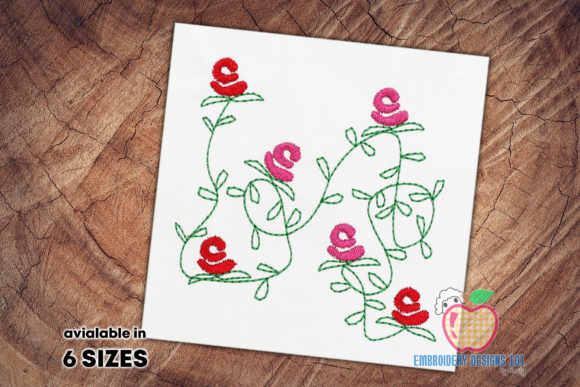
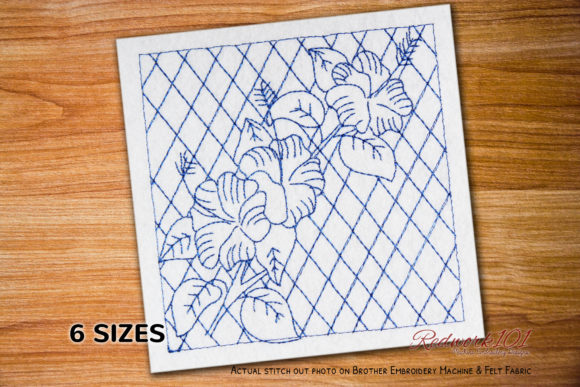
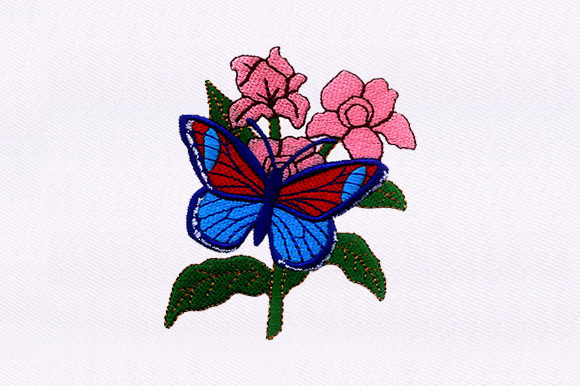
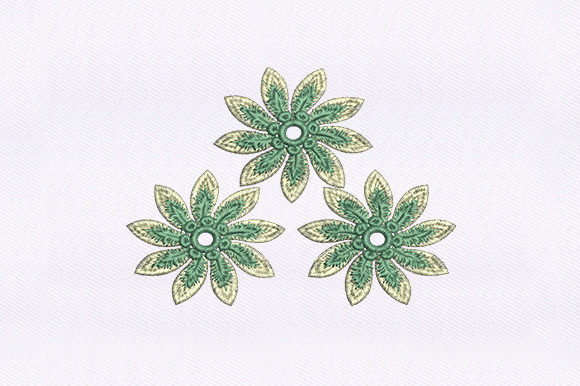
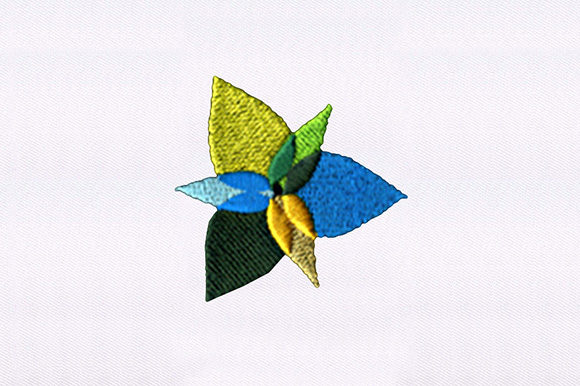
The immediate impression of Flowers and Leaves is one of organic softness. It does not scream for attention with aggressive density or overly complex shading. Instead, it offers a gentle, botanical elegance that feels timeless. The layout suggests a natural growth pattern, avoiding the rigid symmetry that often makes embroidered florals look stiff or dated. For a designer, this is crucial. We are not just stitching images; we are creating mood. This design leans toward the romantic, the rustic, and the refined.
Visually, the interplay between the floral elements and the foliage creates a nice rhythm. It is not too dense, which means it breathes well on fabric. This openness is vital for maintaining the drape of garments and the texture of home goods. If you are aiming for a heavy, carpet-like embroidery feel, this might not be your go-to. But if you want a finished product that feels integrated into the fabric rather than sitting on top of it like a plastic patch, this design has the right structural intuition.
Real-World Application: From Tote Bags to Sweatshirts
To truly test a design, you have to imagine it in context. I recently worked on a custom order for a boutique client who wanted a line of eco-friendly tote bags. They needed a tote bag design that appealed to young professionals—something sophisticated but not overly feminine. Flowers and Leaves fit this brief perfectly. Placed slightly off-center on a canvas bag, the design looked intentional and artistic. The stitch definition held up well against the coarse weave of the canvas, proving that the satin stitch and fill stitch transitions were handled with care.
I also tested this concept on a sweatshirt embroidery project. Here, the challenge is always the pile of the fleece. Dense designs can sink in and disappear. Because Flowers and Leaves maintains a moderate stitch density, it sat nicely on top of the French terry fabric without causing excessive stiffness. The result was a cozy, high-end look that elevated a basic garment into a custom apparel piece worthy of a higher price point. For Etsy sellers and small shop product creators, this versatility is gold. You can use the same digital embroidery file across multiple product lines, from kitchen towels to baby items, maximizing your return on investment.
Versatility Across Product Categories
The adaptability of this design extends beyond apparel. Consider its potential for holiday embroidery. With the right thread colors—think deep reds and forest greens—it transforms into a festive motif for napkins or pillow covers. Switch to pastels, and it becomes ideal for baby embroidery on onesies or burp cloths. The key is that the design does not rely on specific colorways to make sense. Its shape language is strong enough to stand on its own, allowing you, the creator, to dictate the seasonal or thematic tone through your choice of thread colors.
For those running a craft business, consistency is key. Using a cohesive set of design assets helps build brand recognition. Flowers and Leaves serves as a reliable anchor for such a collection. It pairs well with monograms or other botanical elements, allowing you to create bundled offerings for personalized gift markets. Whether you are creating an embroidered patch for a hat or detailing a bridal shower favor, the design scales reasonably well, provided you respect the limits of your hoop size.
Technical Considerations and Fabric Compatibility
While the design is robust, it is not immune to the laws of physics. Embroidery is a tactile medium, and fabric texture plays a massive role in the final outcome. I advise caution when using this design on very thin or stretchy fabrics without proper stabilization. The pull of the stitches, particularly in the leaf areas, can cause slight puckering if the stabilizer is not up to the task. Always use a cut-away stabilizer for knits and a tear-away for wovens, but test first.
Another critical factor is the hoop size. While the design is versatile, placing it in a hoop that is too small for your machine’s capabilities can lead to alignment issues. Ensure you check the specific dimensions of the file you download. The product description lists a wide array of formats, including DST, PES, JEF, and VIP, among others. This broad compatibility is excellent for users with older machines or specific software preferences. However, always verify that the version you select matches your machine’s native format to avoid conversion errors that can distort stitch paths.
When working on curved surfaces, such as caps, pay attention to the orientation of the leaves. Long, sweeping satin stitches can sometimes bridge gaps unevenly on highly curved areas. I recommend digitizing a slight adjustment or choosing a placement that follows the curve of the cap’s panel rather than crossing it perpendicularly. This small tweak can mean the difference between a professional finish and a amateurish look.
Enhancing Value and Customer Trust
In the world of commercial embroidery, perceived value is everything. A clean, crisp stitch-out signals quality. Flowers and Leaves contributes to this perception by offering clear definition. When customers see a finished product where the leaves have distinct edges and the flowers have smooth fills, they trust the maker’s skill. This trust translates directly into sales and repeat business. For digital product sellers, providing high-quality mockups that accurately represent the stitch texture can further enhance this trust before the customer even buys.
Moreover, the design’s aesthetic supports brand consistency. If your brand is built on natural, handmade vibes, this design reinforces that narrative. It does not look mass-produced; it looks crafted. This distinction is vital for handmade product markets where buyers are seeking authenticity. By using a design that respects the medium, you elevate your entire catalog.
Practical Designer Notes for Best Results
Before you commit to a large production run, follow these practical steps:
- Test on Scrap Fabric: Never skip this step. Stitch the design on the exact fabric you plan to use for the final product. Check for puckering, thread breaks, or registration issues.
- Check Thread Contrast: Use contrasting thread colors during testing to clearly see the stitch paths. This helps identify any overlapping stitches or jumps that might need trimming.
- Review Stitch Density: If your fabric is delicate, consider reducing the density slightly in your software if the option is available, or use a lighter weight thread.
- Confirm Hoop Size: Ensure the design fits comfortably within your hoop with enough margin for clamping.
- Inspect Small Details: Zoom in on the preview. Are there tiny satin stitches that might snag? If so, consider simplifying or reinforcing those areas.
- Mockup in Black and White: This helps you evaluate the contrast and shape clarity without the distraction of color. If it looks good in grayscale, it will look good in color.
- Verify Licensing: Always confirm the license terms for the digital embroidery file. Ensure you have the rights to sell finished items if that is your business model.
In conclusion, Flowers and Leaves is a solid addition to any embroiderer’s library. It balances beauty with functionality, making it suitable for a wide range of applications from boutique branding to personal gifts. By understanding its strengths and respecting its technical requirements, you can create stunning, professional-grade embroidery projects that delight customers and stand the test of time.