Reviewing Flowers on Net Redwork for Craft Fairs
As an embroidery designer who has spent countless weekends behind a booth table, I know that not every machine embroidery design translates into a bestseller. Some designs look beautiful on a screen but fail to catch the eye of a passing customer. Today, I am putting Flowers on Net Redwork under the microscope. I am evaluating it not just as a digital file, but as a potential revenue driver for your handmade business. If you are an Etsy seller, a boutique maker, or a creative entrepreneur preparing for the upcoming market season, this review is for you.
First Impressions: The Aesthetic Appeal
The title Flowers on Net Redwork immediately suggests a specific aesthetic. Redwork is a classic technique, often associated with vintage charm, farmhouse style, and timeless elegance. When I visualize this design, I see something that feels both minimal and decorative. It does not scream for attention with loud, neon thread colors; instead, it invites a closer look. This subtlety is a double-edged sword. For a craft fair product, it needs to stand out from ten feet away, yet remain sophisticated up close.
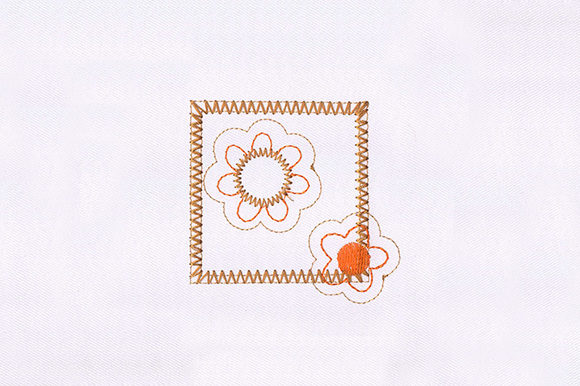
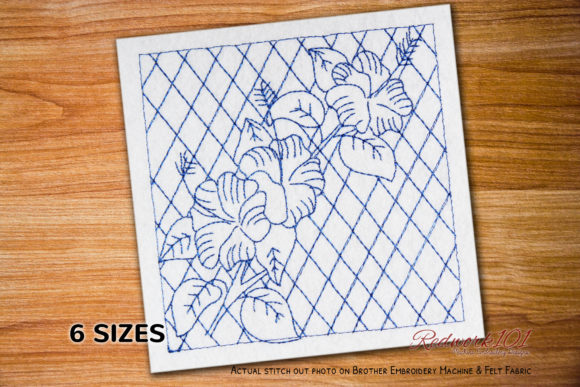
The description notes that the "Box Stitch shown in the picture is optional" and that the outer box color varies. This flexibility is crucial for a small shop product. It means you can adapt the design to fit various brand identities. Whether you are aiming for a rustic look with earthy tones or a modern vibe with stark black on white, this embroidery file offers versatility. However, because it falls under the category of Single Flowers, it relies heavily on the quality of the stitch-out rather than complex composition. The beauty is in the simplicity.
Product Potential: Where Does It Sell?
When I plan my booth display, I think about surface area and fabric texture. Here is how I see Flowers on Net Redwork performing across different items:
- Tote Bags and Market Bags: This is likely the strongest contender. A large tote bag provides ample space for the design to breathe. As a tote bag design, it can serve as a focal point. The redwork style pairs beautifully with natural canvas or linen, appealing to customers looking for eco-friendly, stylish accessories.
- Tea Towels and Aprons: Kitchen textiles are staple craft fair products. Tea towel embroidery requires a design that is delicate enough not to overpower the fabric. Since redwork is traditionally linear, it works well here. For apron embroidery, placing the flower on the bib or the pocket adds a touch of handmade quality without being too bulky.
- Embroidered Patches: If the design scales down well, it could become a charming embroidered patch. Patches are high-margin, low-effort items that appeal to younger demographics. However, you must ensure the details do not get lost at smaller sizes.
- Caps and Curved Surfaces: I would approach caps with caution. Redwork often lacks the fill density needed to stand out on textured twill unless the thread contrast is perfect. It might work as a small accent on the side, but it may lack the impact needed for a primary cap design.
Production Practicality for the Busy Maker
Time is money when you are producing inventory for a weekend market. One of the biggest advantages of a redwork-style digital embroidery file is usually the speed. With fewer jumps and less dense stitching, these designs often run faster than full-fill counterparts. This makes Flowers on Net Redwork an excellent candidate for batch production. You can hoop multiple items, run the machine, and move on quickly.
However, practical selling points go beyond speed. How does it photograph? Linear designs can sometimes appear thin in photos if the lighting is harsh. You will need to create at least one high-quality printable mockup or take real-life photos on textured fabric to show depth. The "net" aspect mentioned in the title suggests a background or overlay element. If this netting is stitched, it adds visual interest but also increases stitch count. If it is merely a printed guide or a separate layer, ensure your customers understand what they are buying.
Careful-Use Notes and Technical Considerations
Before you commit to producing fifty units, there are critical technical factors to consider. As an experienced designer, I always warn against assuming a design will work on every fabric.
- Fabric Texture and Density: Redwork relies on clean lines. On thick, textured towels or heavy denim, the stitches can sink in or look uneven. Always test the design on scrap fabric that matches your final product. If the stitch density is too low for the fabric pile, the design will look sparse.
- Thread Contrast: Since this is likely a single-color or limited-color design, thread choice is everything. On dark fabric, standard red thread may vanish. You might need to switch to a brighter orange or a metallic thread to maintain visibility. Check your thread colors against your fabric swatches in natural light.
- Hoop Size and Placement: The description mentions an optional box stitch. Ensure you know the required hoop size before purchasing. If the design is large, you may need a 5x7 or 6x10 hoop, which limits the items you can embroider. Small pouches and caps often require smaller hoops.
- Stabilizer Selection: For lightweight fabrics like tea towels, a cut-away stabilizer might be too stiff, while tear-away might distort the netting effect. Experiment with mesh stabilizers to maintain the drape of the finished product.
Boosting Brand Consistency and Buyer Engagement
Using Flowers on Net Redwork consistently across your product line can strengthen your brand identity. If your shop specializes in vintage-inspired goods, this design reinforces that narrative. It signals to the buyer that you value tradition and craftsmanship. For an Etsy seller, this consistency helps in creating a cohesive shop aesthetic, which increases trust and conversion rates.
Furthermore, this design serves as an excellent entry-level product. It is approachable and affordable. Customers who might hesitate to buy a large, expensive quilted item may feel comfortable purchasing a small embroidered pouch or a single tea towel. This lowers the barrier to entry for new customers, allowing them to engage with your brand without a significant financial commitment.
Final Verdict for Commercial Embroidery
Is Flowers on Net Redwork worth adding to your library of design assets? Yes, but with conditions. It is not a "set it and forget it" design. It requires thoughtful placement and material selection to shine. It excels as a handmade product accent on natural fibers and minimalist goods. It struggles on busy patterns or low-quality fabrics where the linear stitches can get lost.
Remember, the description states that license terms and exact file formats are not explicitly detailed in the snippet provided. Before using this for commercial embroidery, you must confirm the licensing agreement with the creator. Ensure you have the right to sell finished products made with this file. Once verified, treat this design as a versatile tool in your kit. Use it to add a touch of elegance to your tote bags, refine your apron collections, and create giftable items that speak to the heart of the handmade movement. Test it, tweak your tension, and let the simplicity of the flower do the talking.