Reviewing Flowers in a Box for Custom Gifts
As an embroidery designer who has spent years digitizing patterns and testing them on everything from delicate silk to heavy denim, I approach every new machine embroidery design with a critical eye. It is not just about whether the pattern looks pretty on a screen; it is about how it performs under the needle and, more importantly, how it resonates with the end customer. Recently, I had the opportunity to test Flowers in a Box, a charming piece from the Single Flowers category, specifically to evaluate its potential for my personalized gift shop. If you are an Etsy seller, a small business owner, or a crafter looking to expand your product line, this review offers a practical look at how this design holds up in real-world applications.
First Impressions: Mood and Aesthetic Appeal
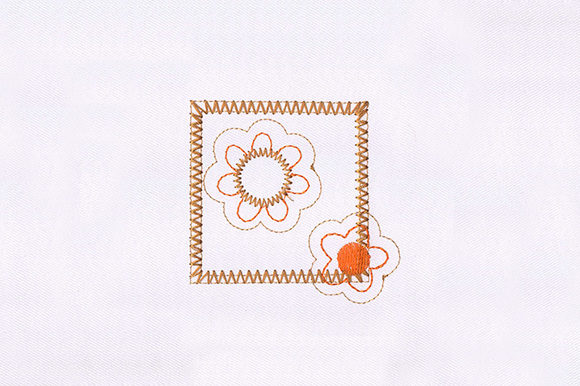
The moment I loaded the digital embroidery file into my software, the immediate impression was one of contained elegance. Flowers in a Box strikes a beautiful balance between whimsical and structured. It does not feel overly childish, nor does it feel stiffly formal. Instead, it carries a sweet, handmade quality that suggests care and intention. The composition, featuring blooms nestled within a box-like frame, creates a natural focal point that draws the eye inward. This makes it exceptionally versatile. It feels romantic enough for a wedding keepsake yet playful enough for nursery decor.
For those of us who sell handmade products, emotional connection is key. This design evokes feelings of warmth and nostalgia. It reminds me of a carefully wrapped present or a secret garden captured in time. When considering thread colors, I found that soft pastels enhance its gentle nature, while richer, saturated tones give it a modern, bold pop. This adaptability is crucial when you are trying to appeal to a broad range of customers, from brides-to-be to new parents.
Versatility Across Product Lines
One of the strongest assets of Flowers in a Box is its flexibility. In my test run, I explored several different substrates to see where the design shined brightest. Here is how it performed across various popular items:
- Baby Embroidery: On a soft muslin blanket, the design looked adorable. However, because babies require frequent washing, I paid close attention to the stitch integrity. The closed shapes of the box help contain the design, preventing loose threads from catching easily.
- Wedding Gift Items: I stitched this onto a linen table runner. The structured nature of the "box" element complements the organic flow of the flowers, making it suitable for sophisticated home decor.
- Personalized Towels: An embroidered towel is a staple for any gift shop. The design scales well, but on textured terry cloth, I noticed that finer details can sometimes get lost. I recommend using a slightly larger size for towels to ensure visibility.
- Tote Bags and Aprons: For canvas totes and cotton aprons, the design stood out beautifully. The contrast between the floral elements and the sturdy fabric created a high-perceived value item that customers love to photograph.
- Pillow Covers: Centered on a square pillow cover, Flowers in a Box acts as a perfect statement piece. It anchors the room without overwhelming the space.
For Etsy sellers and digital product creators, this versatility means you can create multiple listings from a single purchase. You can market it as part of a baby shower collection, a bridal suite package, or a spring home refresh series.
Technical Considerations and Stitching Advice
While the aesthetic is delightful, successful execution depends on technical precision. As a professional, I always advise checking the specific technical specs before hitting "start." The product description lists a wide variety of formats, including DST, PES, JEF, EXP, and VIP, among others. This broad compatibility is excellent for users with different machine brands, from Brother to Janome to Bernina.
However, there are critical factors to consider regarding stitch density and hoop size. Since the exact stitch count and dimensions are not explicitly detailed in the brief provided, I strongly recommend opening the file in your preferred embroidery software to verify these metrics. Here are my practical notes from the testing phase:
- Stabilizer Selection: For stretchy fabrics like baby clothes or jersey tote bags, a cut-away stabilizer is non-negotiable. The weight of the flowers in the box design can cause puckering if the fabric is not properly supported. For woven fabrics like linen or cotton, a tear-away stabilizer usually suffices, provided the stitch density is not excessively high.
- Fabric Texture: Be cautious with highly textured fabrics. If you are stitching on a thick waffle weave or a plush velvet, the intricate parts of the flowers might sink into the pile. Always do a test stitch on scrap fabric first.
- Thread Contrast: Because the design involves a "box" element surrounding flowers, ensure there is enough contrast between the box outline and the floral fills. If you use similar shades, the definition of the box may disappear, turning the design into a generic floral cluster.
- Small Details: After stitching, inspect the smaller petals and leaves. If they appear jagged or pulled, you may need to adjust your tension or switch to a finer needle, such as a size 75/11 or 80/12, depending on your thread weight.
Navigating Challenges with Care
No design is without its challenges, and Flowers in a Box requires careful placement. Avoid positioning this design on curved surfaces where the hoop cannot lay completely flat, such as the sleeve of a onesie or the corner of a fitted sheet. Distortion here can ruin the symmetry of the box shape. Additionally, be mindful of dark fabrics. If you are stitching on navy or black, ensure your underlay stitches are sufficient to prevent the background fabric from showing through the lighter flower colors. A layer of white underlay can work wonders for vibrancy.
Another consideration is the frequency of washing. Items like kitchen towels and baby blankets undergo rigorous cleaning cycles. Ensure that your top thread is high-quality polyester or rayon, which holds up better to heat and agitation than cheaper alternatives. This attention to detail builds customer trust and reduces return rates.
Boosting Perceived Value and Sales
From a business perspective, Flowers in a Box is a strong contender for increasing your average order value. The design feels premium. When customers see a well-executed custom embroidery piece, they perceive it as a luxury item rather than a mass-produced good. This perception allows you to price your small shop product competitively while maintaining healthy margins.
Photography plays a huge role here. The framed nature of the design makes it easy to style. Place the embroidered item next to fresh flowers, gift boxes, or soft lighting to create a cohesive printable mockup or lifestyle photo. These images drive buyer engagement on social media and marketplaces. Whether you are selling the finished product or the digital embroidery file itself, presenting the design in a contextual, emotional setting helps customers visualize it in their own lives.
Final Thoughts for the Modern Maker
In conclusion, Flowers in a Box is a delightful addition to any embroidery library. It bridges the gap between classic floral motifs and modern geometric framing, offering a fresh take on Single Flowers Embroidery. For baby product creators, wedding gift designers, and everyday crafters, it offers a reliable, emotionally resonant option that performs well on a variety of materials.
Remember to always verify the commercial licensing terms included with your download. While most designers allow the sale of finished physical goods, restrictions on reselling the digital file itself are standard. By respecting these terms and applying the technical tips outlined above, you can confidently integrate this design into your workflow. It is not just a pattern; it is a tool for creating meaningful connections through the art of stitchery. Happy stitching!